Bringing frontline experience into the rooms where decisions are made
At West End Refugee Service, much of our work happens through everyday conversations.
We speak to people who are trying to find accommodation, access education, prepare for employment or navigate systems that can be difficult to understand. We hear about the barriers they face, but also their ambitions, skills and ideas for making their communities better.
These conversations shape our direct support. But we believe they should also help shape the decisions being made across our city and region.
That is why WERS is increasingly contributing to discussions beyond the refugee and voluntary sectors.
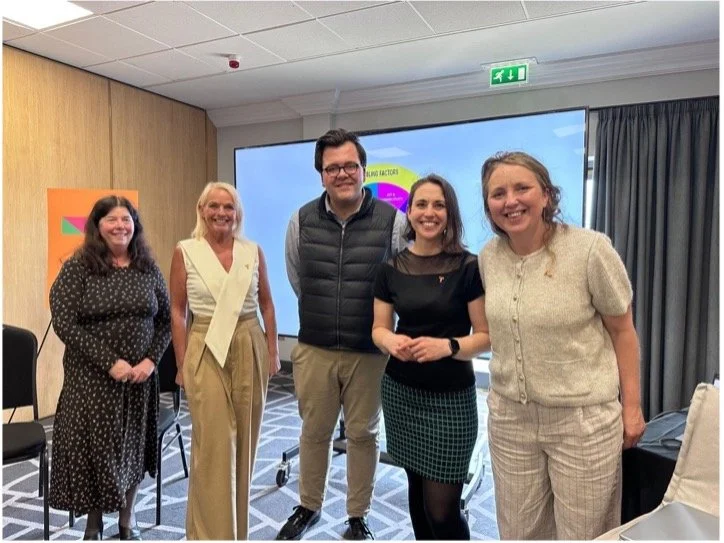
Earlier this year, our Chief Executive, Andy Durma, spoke at the North East TechNExt/Tech Expo, co-organised by the Virgin Money Foundation, which supports our digital inclusion work. The event created an opportunity to bring frontline experience into a setting focused on technology and business.
We spoke about the digital barriers refugees and people seeking asylum face, the skills and potential they bring, and why access to technology matters for education, employment and participation in community life.
WERS is also represented on the Elswick South Pride in Place Board, contributing to conversations about neighbourhood investment, regeneration and community priorities in one of Newcastle's most diverse areas.
Being involved in these discussions matters. Decisions about how neighbourhoods develop, where resources are invested and which priorities receive attention can have a significant impact on the communities we work alongside.
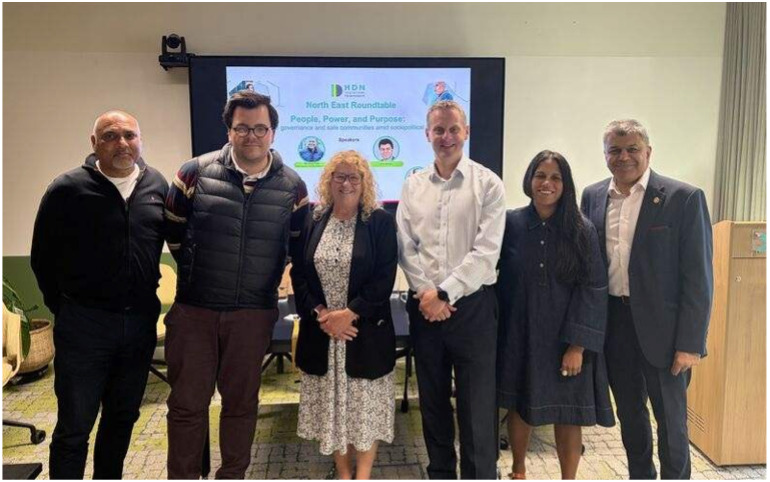
We have also contributed to wider discussions about inclusion, safety and belonging, including a Housing Diversity Network event alongside Northumbria's Police and Crime Commissioner, Susan Dungworth.
These conversations provide opportunities to share some of the experiences we encounter through our work and to challenge assumptions about refugees and migration.
We will continue providing practical support to people who need it. But we also want to use what we learn through that work to influence how organisations, institutions and communities respond to the challenges refugees face.
That means building relationships across sectors, contributing to conversations where decisions are made and creating more opportunities for people with lived experience to be heard directly.
Because a welcoming and inclusive North East depends not only on the support available to individuals, but also on the decisions we make collectively about the places where we live.